



Yes, gang, we have officially made the move into legit science, with our first-ever journal article! We jest, natch, but only about the legit science bit, because we’ve ALWAYS been legit science, right, gang? And thanks to our very own research geniuses, Hormona is the proud owner of one incredible research paper about… Hormones! We’re never knowingly off-brand.
Disclaimer: This website does not provide medical advice. The information, including but not limited to, text, graphics, images and other material contained on this website are for informational purposes only. No material on this site is intended to be a substitute for professional medical advice, diagnosis, or treatment. Always seek the advice of your physician or other qualified healthcare provider with any questions you may have regarding a medical condition or treatment, and before undertaking a new healthcare regimen, and never disregard professional medical advice or delay in seeking it because of something you’ve read on this website.
Here comes the research…
Published by the Research Journal of Women’s Health, the paper is beautifully titled, “FSH, Estrogens, Progesterone effects on female bodies during reproductive stages and their utilization in clinical practice and research.” For those who don’t speak doctor, the article looks at each of the hormones involved in women’s health. But more specifically, their functions, how they’re tested, and what those tests look for. But it also looks at what improvement can be made to testing methods, and more importantly, to normalize regular hormone testing. And our conclusion, you won’t be surprised to hear, is that there’s plenty of room for improvement. Particularly where urine and other forms of testing are concerned. We’re so excited to have an article published, because it’s the first step in changing hormone healthcare for everyone. And it won’t be our last. We’re determined to publish as often as we can. That’s alongside pushing the hormone healthcare conversation, and applying everything we learn to the incredible things we have planned for our amazing Hormona app.
Team Hormona’s very own researchers
It’s all thanks to our very own research duo, who just happen to be kickass doctors in their own right. Anna Targonskaya, OB-GYN, and Katherine Maslowski, O&G Clinical Fellow, spent months trawling through all of the published work they could find relating to hormone tests and their efficacy, before laying it all out for our reading pleasure. Their conclusion, that testing can always be better, as well as reminding the medical profession that blood tests aren’t the be-all and end-all of reading hormone levels, are both things that we are hugely passionate about.Hormona: The future of hormone healthcare
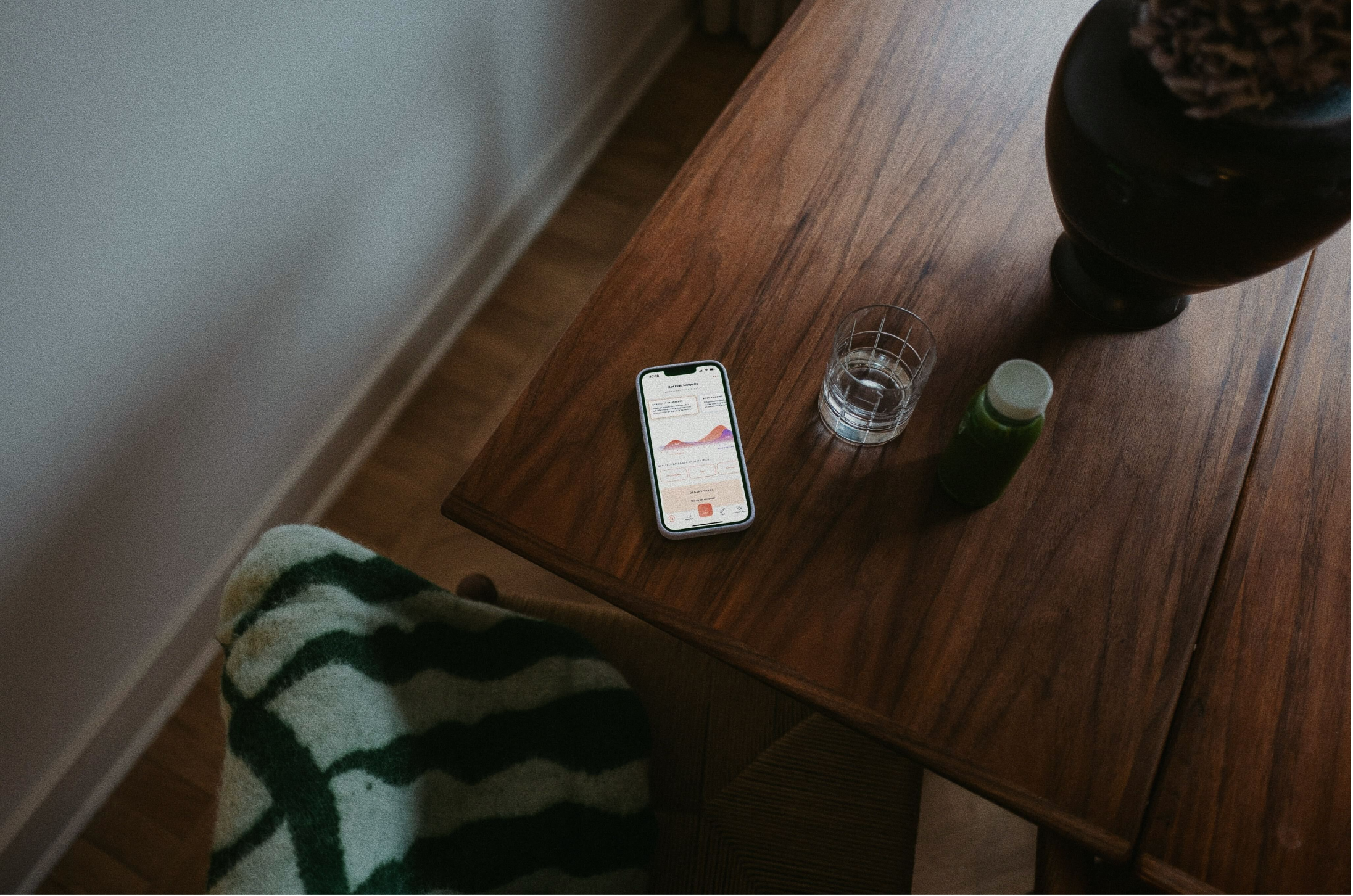
If you’re a regular Hormona, you probably already know that we’re aiming to change the way hormone healthcare works. Hormones control your entire body, and we think it’s crazy that they’re almost completely ignored until something goes really wrong. Of course, we are ever so slightly biased. But we’re thrilled that the research backs up one of our central tenets. Namely, that hormone testing needs to be as effective as possible for the millions of women who rely on it for their wellbeing. Watch this space, gang, because testing is the next thing on our agenda. In the meantime, if you’re not on the Hormona app already, why not? You can track your hormones and symptoms, see your cycle patterns and trends, and get exclusive peeks into new features. See you there!Disclaimer: This website does not provide medical advice. The information, including but not limited to, text, graphics, images and other material contained on this website are for informational purposes only. No material on this site is intended to be a substitute for professional medical advice, diagnosis, or treatment. Always seek the advice of your physician or other qualified healthcare provider with any questions you may have regarding a medical condition or treatment, and before undertaking a new healthcare regimen, and never disregard professional medical advice or delay in seeking it because of something you’ve read on this website.